I think there is more truth to this than we realize.Heirbyadoption wrote: ↑Fri Oct 15, 2021 4:23 pm
Grace - the majority of cape dresses (speaking generally, of course) tend to accomplish far more in the way of cultural and group identity, and perhaps in some ways "nonconformity") than they accomplish in physical modesty, when you get right down to it. There are some like the River Brethren and a few hyper-OldOrders whose styles are still loose or full enough to pull it off, though.
The cape dress: Its origins and evolution over the ages
-
steve-in-kville
Re: The cape dress: Its origins and evolution over the ages
1 x
Re: The cape dress: Its origins and evolution over the ages
ohio jones wrote: ↑Fri Oct 15, 2021 10:18 pmI know very little about tailoring, particularly of the female variety, but I don't think that was her point. Indeed, there may be no point to most Menno capes. I would dart to the conclusion that the picture below illustrates the stitchuation: darts in the dress separate from darts in the cape, vs. darts that connect the cape to the dress.Heirbyadoption wrote: ↑Fri Oct 15, 2021 4:23 pmFor the last 10 years or so, my wife has actually sewn her darts (I assume you mean the points of the cape) into the waist ...Grace wrote: ↑Tue Oct 12, 2021 10:28 amLater women started to sew the cape right into the dress waist. Now I am told that some, are even sewing the darts of the cape right into the dress. The cape dress was meant to cover the woman's shape. But sewing the waist and the darts in with the cape, defeats that whole purpose.
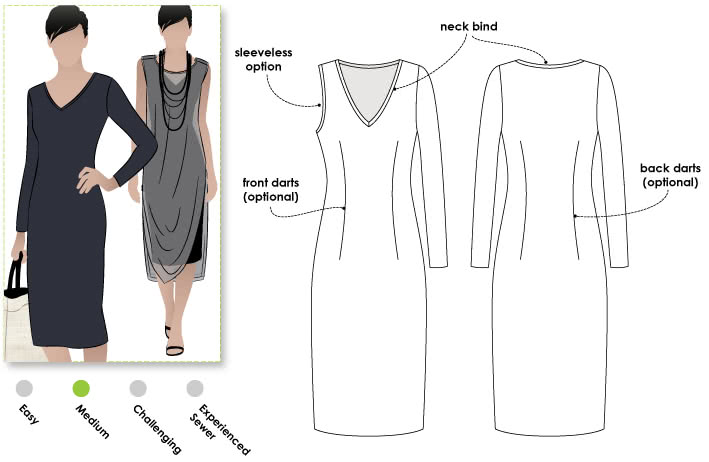
LOL, Thanks for the laugh this morning. Darts are sewed into a garment to make the garment fit to the body better. And yes, darts sewn right in with the dress, does create a more form fitting dress.
0 x
-
Ken
- Posts: 21863
- Joined: Thu Jun 13, 2019 12:02 am
- Location: Washington State
- Affiliation: former MCUSA
Re: The cape dress: Its origins and evolution over the ages
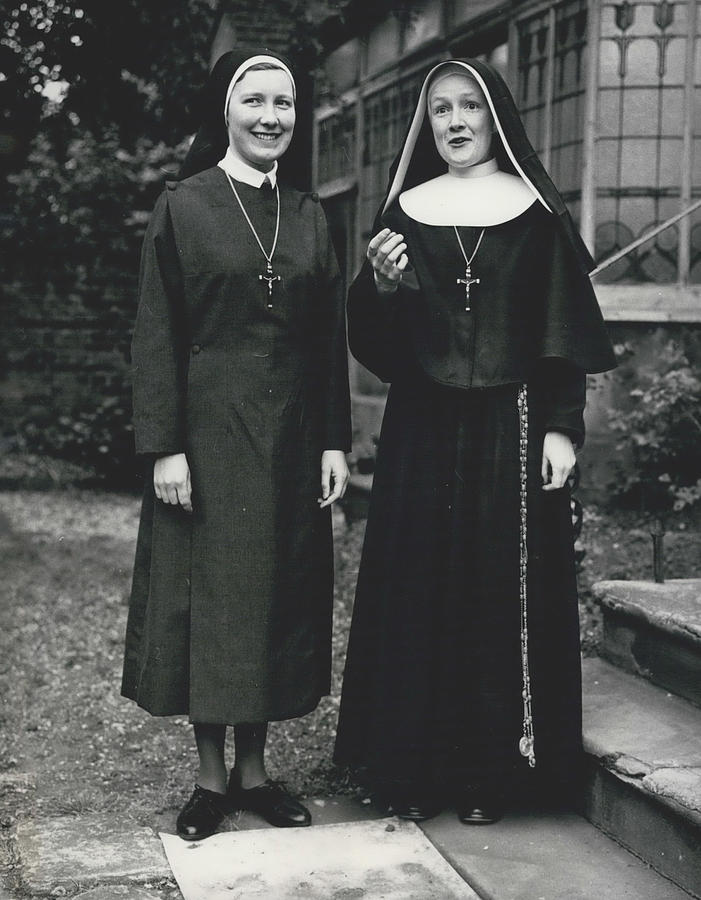
If those dresses were black they would be exactly like nuns habits minus the crosses and headgearHeirbyadoption wrote: ↑Fri Oct 15, 2021 4:23 pmGrace - the majority of cape dresses (speaking generally, of course) tend to accomplish far more in the way of cultural and group identity, and perhaps in some ways "nonconformity") than they accomplish in physical modesty, when you get right down to it. There are some like the River Brethren and a few hyper-OldOrders whose styles are still loose or full enough to pull it off, though.Grace wrote: ↑Tue Oct 12, 2021 10:28 amThe cape dress has evolved over the years within some (but not all) segments of Conservative Anabaptist's. My mother's and grandmother's cape dresses were an extra loose sewed fabric portion, that was not attached to the dress. Later women started to sew the cape right into the dress waist. Now I am told that some, are even sewing the darts of the cape right into the dress. The cape dress was meant to cover the woman's shape. But sewing the waist and the darts in with the cape, defeats that whole purpose. There are those who still abide by the old way of having the cape be a loose extra part of a dress. But the cape dresses I see, are just as form fitting as those dresses without capes. I do see many women wear sweaters, jackets, light blouses over their dresses, which is just as modest as a cape dress.
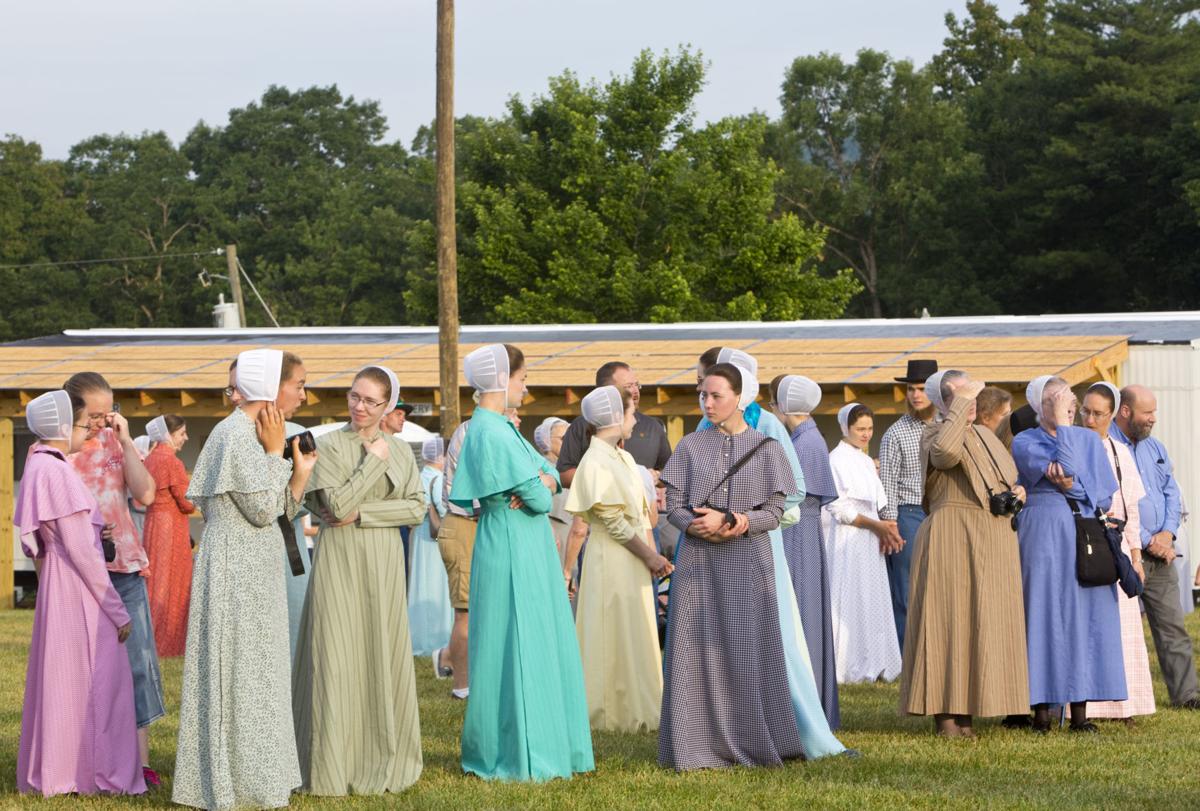
It's interesting that you mentioned the pattern change, though... I understand what you're saying, but in reality, there actually ARE situations where connecting the waist and darts does NOT defeat the purpose. For the last 10 years or so, my wife has actually sewn her darts (I assume you mean the points of the cape) into the waist specifically to conceal the form-fittingness of the bodice of our traditional style of dress (Brethren, sometimes aka Dunkard, German Baptist, etc), which has a split-front (or "two point") cape. You can see the following link for a picture of our traditional dress style if what I mean by "split front" capes doesn't make sense...: https://bloximages.newyork1.vip.townnew ... 1200%2C811. This may only make sense to people who have sewn cape dresses, but she actually added material in the center front to bring the split back together so the button line down the front goes through the cape itself (which is still technically "split" but is connected behind the buttons), and loosened the waist a little. In essence, this has allowed her to maintain the traditional style but still address the modesty issue which she was personally convicted of.
1 x
A fool can throw out more questions than a wise man can answer. -RZehr
-
Heirbyadoption
Re: The cape dress: Its origins and evolution over the ages
Interesting. I assumed amiss. Clearly I won't be making any dresses anytime soon. On a relevant note, I suppose my misassumption makes a bit of sense, as those of us in groups with loose capes (as in unattached at the waist, per the image I linked) aren't familiar with the idea of sewing darts in with the cape... I can see where that would potentially detract from the physical modesty aspect of a cape, though, whether it is connected to the waist or not. You poor dressmakers have my utmost sympathy.Grace wrote: ↑Sat Oct 16, 2021 8:25 amLOL, Thanks for the laugh this morning. Darts are sewed into a garment to make the garment fit to the body better. And yes, darts sewn right in with the dress, does create a more form fitting dress.ohio jones wrote: ↑Fri Oct 15, 2021 10:18 pmI know very little about tailoring, particularly of the female variety, but I don't think that was her point. Indeed, there may be no point to most Menno capes. I would dart to the conclusion that the picture below illustrates the stitchuation: darts in the dress separate from darts in the cape, vs. darts that connect the cape to the dress.Heirbyadoption wrote: ↑Fri Oct 15, 2021 4:23 pmFor the last 10 years or so, my wife has actually sewn her darts (I assume you mean the points of the cape) into the waist ...

1 x
-
steve-in-kville
Re: The cape dress: Its origins and evolution over the ages
Does anyone's church have written standards on maternity dresses? Do they require the cape even then?
0 x
-
cmbl
Re: The cape dress: Its origins and evolution over the ages
Yes, Pilgrim requires a cape maternity dress. It's made a little different from the regular cape dress (I'm an NMB male, so I can't say exactly how, mind yousteve-in-kville wrote: ↑Fri Oct 22, 2021 7:13 am Does anyone's church have written standards on maternity dresses? Do they require the cape even then?
 ). Making the cape maternity dress a little differently to be more "modest" than the regular cape dress was one of the Pilgrim vs. Eastern things.
0 x
-
Signtist
Re: The cape dress: Its origins and evolution over the ages
Shows how important it only is.steve-in-kville wrote: ↑Tue Oct 12, 2021 8:45 am We have nothing else to add to this? I thought this subject would see more activity
0 x
-
Signtist
Re: The cape dress: Its origins and evolution over the ages
I know of churches that have standards for maternity dresses. It's a different 2 layer design.steve-in-kville wrote: ↑Fri Oct 22, 2021 7:13 am Does anyone's church have written standards on maternity dresses? Do they require the cape even then?
0 x
-
Ernie
Re: The cape dress: Its origins and evolution over the ages
I decided this topic may be better suited in this thread...
Many Mennonite women of the 19th century dressed fashionably, particularly in their younger years, and did not wear traditional clothing like older Mennonite women and Amish women.
The cape dress design has changed some but the double-layered bodice, often referred to as a cape, seems to be quite common for peasants.
Below are some sources... not all are primary sources... Keep in mind that approximately 85-90% of people in the 16th century were peasants, and a lot of the pictures of people of that time period were the rich rather than the peasants. The rich tended to dress less modestly. I agree that some designs don't look much like cape dresses today, but they do look more like cape dresses today, then what the majority of western women wear today.
https://amiesparrow.wordpress.com/kasf- ... 1520-1530/
https://en.wikipedia.org/wiki/Cape_dress
https://handcraftedhistory.blog/2022/01 ... ing-woman/
https://thenewcut.wordpress.com/overvie ... -scenes-2/
https://amiesparrow.files.wordpress.com ... or-web.pdf
www.pinterest.com/pin/574138652506898867/
https://www.etsy.com/listing/1331035645 ... ch_click=1
https://www.etsy.com/listing/746436813/ ... ch_click=1
https://jezebeljane.blogspot.com/2021/0 ... thern.html
http://www.elizabethancostume.net/lower ... dress.html
https://evashistoricalcostumes.blogspot ... -that.html
www.pinterest.com/pin/497577458821639485/
You are welcome to make a case against what I claimed. I have not researched this extensively.Ken wrote: ↑Mon Jan 29, 2024 1:44 pmIs that actually true?
There is a tremendous amount of artwork and photography and written descriptions of women's dress going back all the way to medieval times and before. Cape dresses as they are worn today by conservative Mennonites seem to be mostly a 20th Century development.
My own family tree is full of 19th Century Mennonite women and in the photos we have of them, they are all dressed modestly, but I don't see any cape dresses. They are all dressed in what appears to be the normal fashions of the time. A lot of them aren't wearing dresses at all, but rather long skirts and blouses.
Many Mennonite women of the 19th century dressed fashionably, particularly in their younger years, and did not wear traditional clothing like older Mennonite women and Amish women.
The cape dress design has changed some but the double-layered bodice, often referred to as a cape, seems to be quite common for peasants.
Below are some sources... not all are primary sources... Keep in mind that approximately 85-90% of people in the 16th century were peasants, and a lot of the pictures of people of that time period were the rich rather than the peasants. The rich tended to dress less modestly. I agree that some designs don't look much like cape dresses today, but they do look more like cape dresses today, then what the majority of western women wear today.
https://amiesparrow.wordpress.com/kasf- ... 1520-1530/
https://en.wikipedia.org/wiki/Cape_dress
https://handcraftedhistory.blog/2022/01 ... ing-woman/
https://thenewcut.wordpress.com/overvie ... -scenes-2/
https://amiesparrow.files.wordpress.com ... or-web.pdf
www.pinterest.com/pin/574138652506898867/
https://www.etsy.com/listing/1331035645 ... ch_click=1
https://www.etsy.com/listing/746436813/ ... ch_click=1
https://jezebeljane.blogspot.com/2021/0 ... thern.html
http://www.elizabethancostume.net/lower ... dress.html
https://evashistoricalcostumes.blogspot ... -that.html
www.pinterest.com/pin/497577458821639485/
0 x
-
Ken
- Posts: 21863
- Joined: Thu Jun 13, 2019 12:02 am
- Location: Washington State
- Affiliation: former MCUSA
Re: The cape dress: Its origins and evolution over the ages
I'm not quibbling with the notion that women in the past may have worn clothing similar to the cape dresses worn by modern conservative Anabaptists.Ernie wrote: ↑Mon Jan 29, 2024 8:03 pm I decided this topic may be better suited in this thread...
You are welcome to make a case against what I claimed. I have not researched this extensively.Ken wrote: ↑Mon Jan 29, 2024 1:44 pmIs that actually true?
There is a tremendous amount of artwork and photography and written descriptions of women's dress going back all the way to medieval times and before. Cape dresses as they are worn today by conservative Mennonites seem to be mostly a 20th Century development.
My own family tree is full of 19th Century Mennonite women and in the photos we have of them, they are all dressed modestly, but I don't see any cape dresses. They are all dressed in what appears to be the normal fashions of the time. A lot of them aren't wearing dresses at all, but rather long skirts and blouses.
Many Mennonite women of the 19th century dressed fashionably, particularly in their younger years, and did not wear traditional clothing like older Mennonite women and Amish women.
The cape dress design has changed some but the double-layered bodice, often referred to as a cape, seems to be quite common for peasants.
Below are some sources... not all are primary sources... Keep in mind that approximately 85-90% of people in the 16th century were peasants, and a lot of the pictures of people of that time period were the rich rather than the peasants. The rich tended to dress less modestly. I agree that some designs don't look much like cape dresses today, but they do look more like cape dresses today, then what the majority of western women wear today.
I'm quibbling with your statement that: "the majority of professing Christian women in the west wore cape dresses at one time... "
Women dressed modestly. But not necessarily in that specific style. Certainly not in the 19th Century. In fact, in all my historic family photos which are all Mennonite, it doesn't really start showing up until the 1930s or so. For example, photos of my Mennonite great grandparents in Belleville PA in the early 1900s when they were young look how any Americans would have dressed in 1908. But fast forward to the 1940s and they are dressed in cape dresses and straight coat.
Last edited by Ken on Mon Jan 29, 2024 9:33 pm, edited 1 time in total.
0 x
A fool can throw out more questions than a wise man can answer. -RZehr