Grace wrote: ↑Tue Oct 12, 2021 10:28 amThe cape dress has evolved over the years within some (but not all) segments of Conservative Anabaptist's. My mother's and grandmother's cape dresses were an extra loose sewed fabric portion, that was not attached to the dress. Later women started to sew the cape right into the dress waist. Now I am told that some, are even sewing the darts of the cape right into the dress. The cape dress was meant to cover the woman's shape. But sewing the waist and the darts in with the cape, defeats that whole purpose. There are those who still abide by the old way of having the cape be a loose extra part of a dress. But the cape dresses I see, are just as form fitting as those dresses without capes. I do see many women wear sweaters, jackets, light blouses over their dresses, which is just as modest as a cape dress.
Grace - the majority of cape dresses (speaking generally, of course) tend to accomplish far more in the way of cultural and group identity, and perhaps in some ways "nonconformity") than they accomplish in physical modesty, when you get right down to it. There are some like the River Brethren and a few hyper-OldOrders whose styles are still loose or full enough to pull it off, though.
It's interesting that you mentioned the pattern change, though... I understand what you're saying, but in reality, there actually ARE situations where connecting the waist and darts does NOT defeat the purpose. For the last 10 years or so, my wife has actually sewn her darts (I assume you mean the points of the cape) into the waist
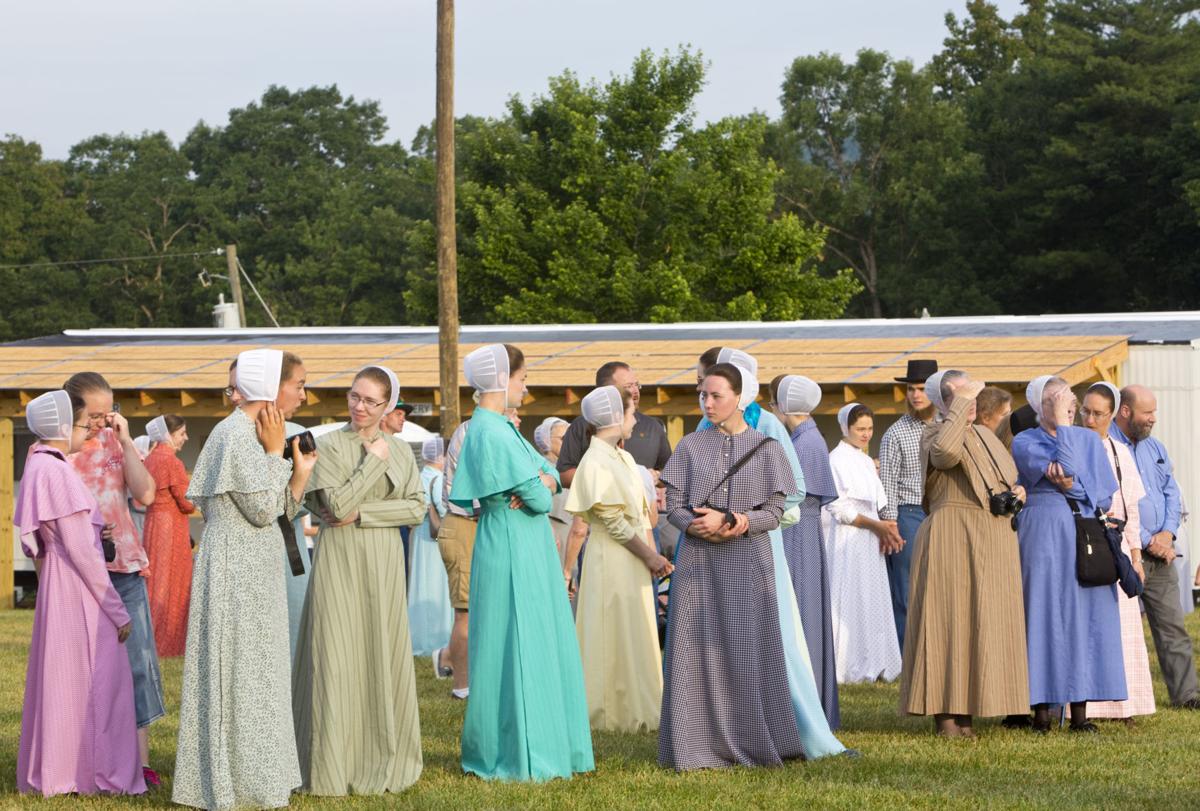
specifically to conceal the form-fittingness of the bodice of our traditional style of dress (Brethren, sometimes aka Dunkard, German Baptist, etc), which has a split-front (or "two point") cape. You can see the following link for a picture of our traditional dress style if what I mean by "split front" capes doesn't make sense...:
https://bloximages.newyork1.vip.townnew ... 1200%2C811. This may only make sense to people who have sewn cape dresses, but she actually added material in the center front to bring the split back together so the button line down the front goes through the cape itself (which is still technically "split" but is connected behind the buttons), and loosened the waist a little. In essence, this has allowed her to maintain the traditional style but still address the modesty issue which she was personally convicted of.