GaryK wrote: ↑Sat Dec 09, 2023 6:32 pm
Ken wrote: ↑Sat Dec 09, 2023 6:18 pm
GaryK wrote: ↑Sat Dec 09, 2023 5:18 pm
Would it be possible for a female great dane to get pregnant by a male chihuahua through artificial insemination?
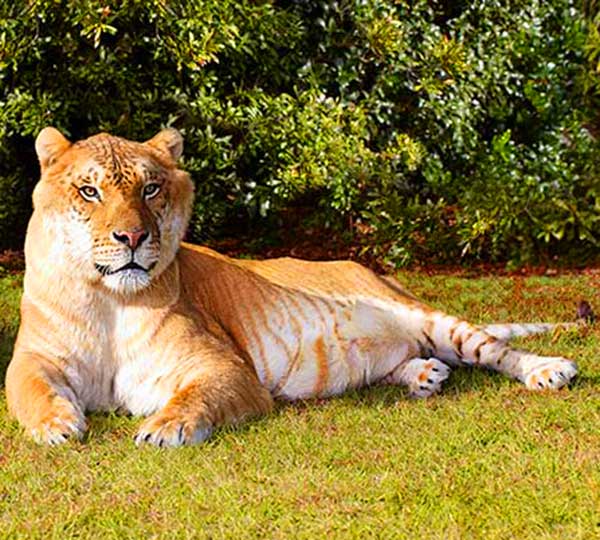
Probably. But inter-species cross breeding through artificial insemination is often possible between two closely related species. There are lots of examples of this happening.
Do you think a great dane could ever evolve into something that could not reproduce with a chihuahua?
Sure, with enough time. Sterile offspring are the result of too many chromosomal differences and that would take a long time to develop through natural mutations and evolution.
But evolution can be both divergent or convergent. So if chihuahuas and great danes were both released into the wild and developed into separate self-sustaining populations two different things could occur.
1. We could see divergent evolution where both "subspecies" specialize differently over time and diverge into two more dramatically different species. If, for example, chihuahuas specialize in catching small burrowing prey like mice or chipmunks where being small is an advantage. And great danes specialize in bringing down large prey like deer or elk or moose where being large and heavy is an advantage. Then over time you'd expect them to further diverge, (or)
2. We could see convergent evolution if both species converge into a more similar and natural form of wild dog and shed some of the more artificial human-bred traits that were imparted by selective breeding but don't provide advantages in the wild. So, for example, chihuahuas could develop into a larger wild dog species over time and great danes could develop into a smaller wild dog species over time if there is some ideal body size for wild canines (as is probably the case) that will be more like the size of coyotes. A coyote might be the ideal medium sized canine for hunting a wide variety of prey and might have the best body type for canine survival in a diversity of habitats in the wild.
Just off the top of my head, I would guess that the most likely scenario is probably #2 since most of the unique traits of both chihuahuas and great danes are put there by humans and don't necessarily confer any advantage in the wild. But that doesn't mean they wouldn't continue to diverge genetically if the two different populations remained geographically isolated for a long time. They would through natural genetic drift. So if they remained isolated you could end up with natural ancestors of both chihuahuas and great danes that look much more similar to each other but that have greater genetic difference than today.