Here is a definition of costume:RZehr wrote: ↑Tue Jan 30, 2024 8:37 pm I think it is more respectful and at least every bit as accurate, to refer to the way we dress as a custom instead of costume. To intentionally refer to someone’s cultural or religious attire as a costume, degradingly infers that there is pretend factor to it. I don’t think it is insulting to call it, or ask about it, as a costume in a genuinely curious or ignorant way.
It is our custom. It is our customary way of dress. We aren’t play acting, or pretending, by wearing costumes. We aren’t colonial era re-enactors, nor are we dressing for a Halloween party. We don’t take off our clothes and put on contemporary clothes after our work shift is over, or after our party is done.
This is our full time and only clothes. Sarasota not withstanding.
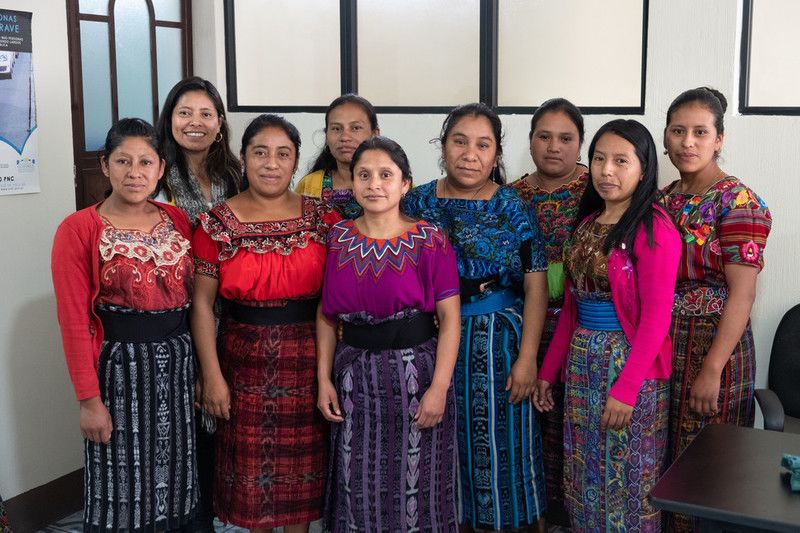
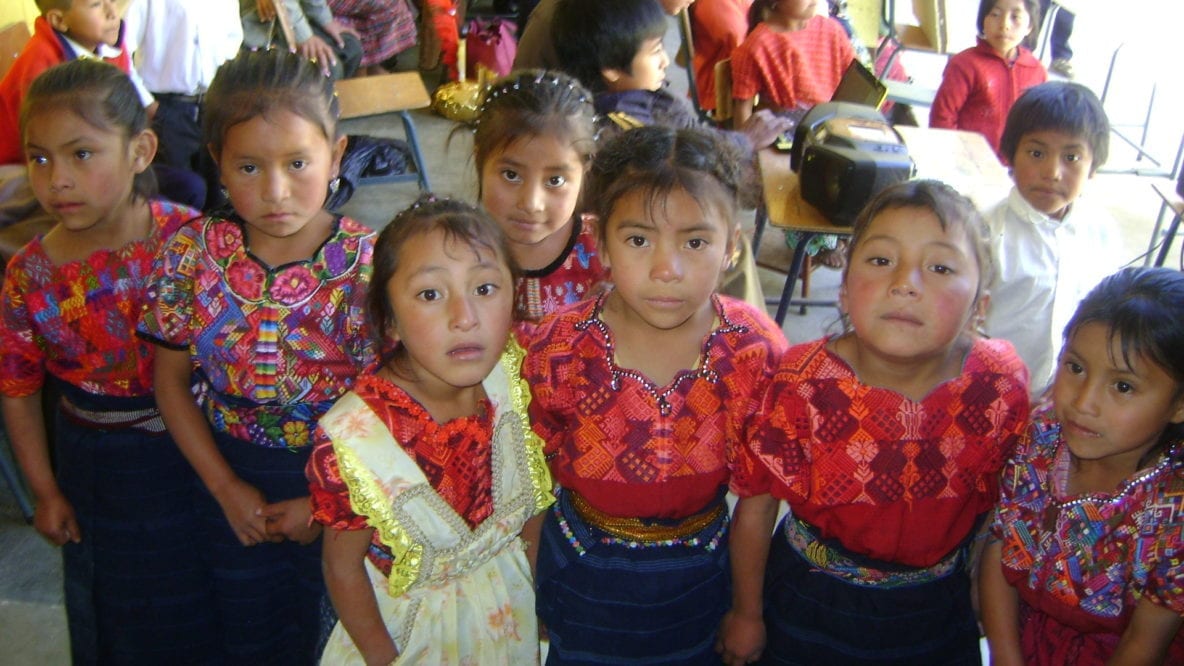
There is national costume (e.g. Scottish kilts and tartan, Japanese kimonos, German dirndl, Navajo skirts, Guatemalan huipil)Costume is the distinctive style of dress or cosmetic of an individual or group that reflects class, gender, profession, ethnicity, nationality, activity or epoch. In short costume is a cultural visual of the people.
The term also was traditionally used to describe typical appropriate clothing for certain activities, such as riding costume, swimming costume, dance costume, and evening costume. Appropriate and acceptable costume is subject to changes in fashion and local cultural norms.
There is religious costume (nun's habits, priests vestments, Islamic burkas, and I would suggest cape dresses hooks over buttons, plain coats etc.)
And there is theatrical costume.
But if you find the term disrespectful I won't use it.