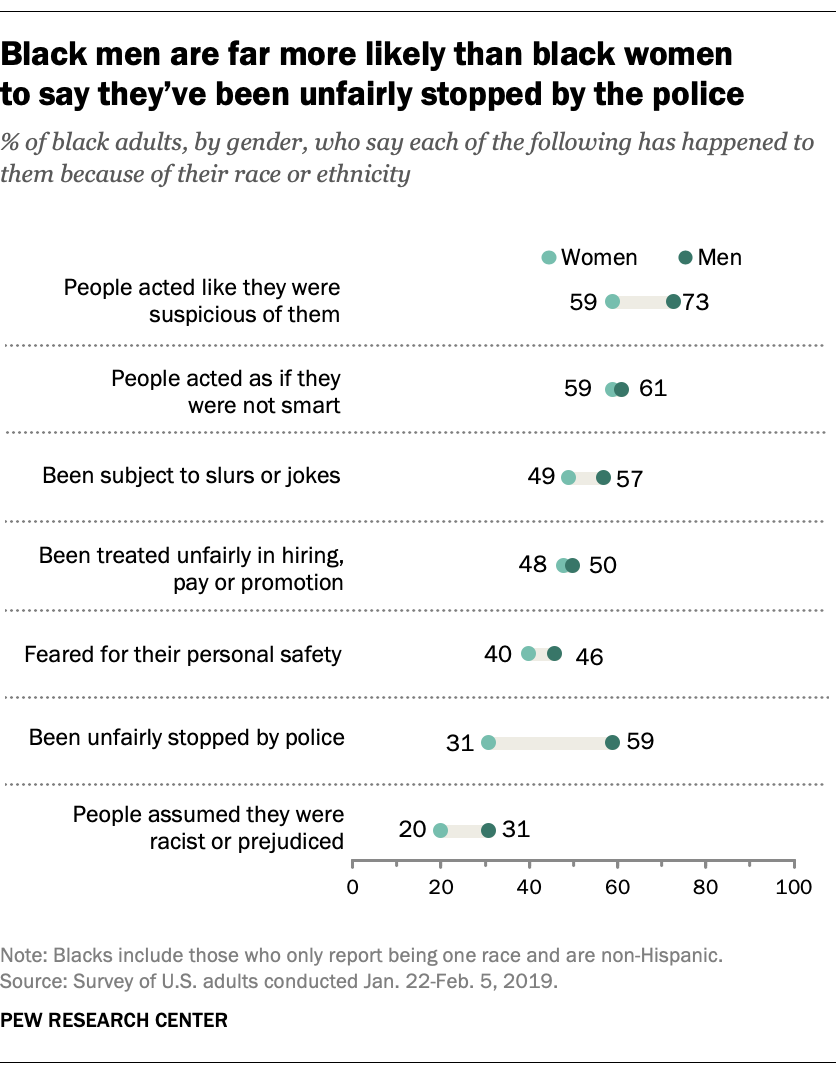
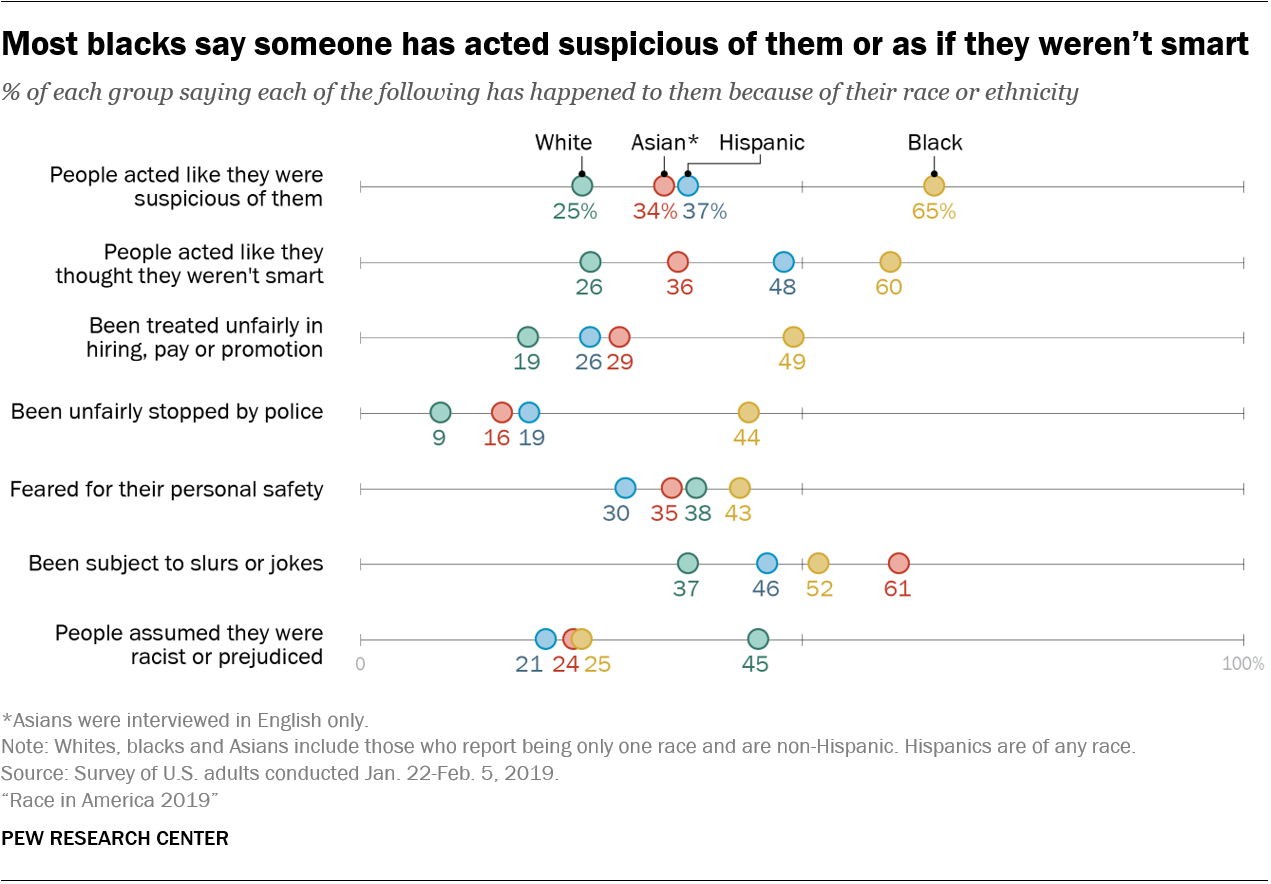
But for males, this is much more proportional to the percent of crimes they are responsible for. Blacks are responsible for more crimes, as a percent of the population, but that only accounts for some of this. And as a whole, males occupy most of the leadership positions in this country. Blacks are not.Josh wrote:Men are far more likely to get targeted by the police and end up in prison, but we don’t see much focus on that.
Police and the criminal justice system are significant problems for neighborhoods who actually need them the most. I think Bill Stuntz describes this well in The Collapse of American Criminal Justice.
The one thing that really HAS improved recently is imprisonment rates. The Koch Brothers and the ACLU and everyone in between seemed to agree something had to give there. The First Step Act was a wonderful bipartisan effort in the right direction.Discretion and discrimination travel together. Ten percent of black adults use illegal drugs; 9 percent of white adults and 8 percent of Latinos nos do so. Blacks are nine times more likely than whites and nearly three times more likely than Latinos to serve prison sentences for drug crimes.10 The racial composition of the dealer population might explain some of that gap but not most of it, much less all."
And the same system that discriminates against black drug defendants also discriminates against black victims of criminal violence. Clearance rates for violent felonies-the the rates at which such crimes lead to suspects' arrest-are higher in small towns and rural areas than in suburbs, higher in suburbs than in small cities, and higher in small cities than in large ones.12 Those relationships correlate both with poverty and with race: the more poor people and black people in the local population, the less likely that victims of criminal violence will see their victimizers punished.13 Bottom line: poor black neighborhoods see too little of the kinds of policing and criminal punishment that do the most good, and too much of the kinds that do the most harm.
A larger measure of official discretion has also coincided with the rise of pendulum justice. Beginning around 1950, imprisonment rates in the Northeast and Midwest began to fall. By the mid-1960s, the decline had accelerated and extended nationwide. The nation's imprisonment rate fell by more than 20 percent, while the murder rate-a decent proxy for the rate of violent felonies and felony thefts more generally-doubled." In northern cities, these trends were more extreme. Chicago's murder rate tripled between 1950 and 1972, while Illinois's imprisonment rate fell 44 percent. In New York City, murders more than quintupled in those twenty-two years; the state's imprisonment rate fell by more than one-third. third. Detroit saw murders multiply seven times; imprisonment in Michigan declined by 30 percent.15 The combination of those trends meant that the justice system was imposing vastly less punishment per unit crime than in the past. This turn toward lenity was followed by an even sharper turn toward severity. Between 1972 and 2000, the nation's imprisonment rate quintupled. The number of prisoner-years per murder multiplied nine times.16 Prisons that had housed fewer than 200,000 inmates in Richard Nixon's first years in the White House held more than 1.5 million as Barack Obama's administration began. Local jails contain another 800,000.17
The criminal justice system has run off the rails. The system dispenses not justice according to law, but the "justice" of official discretion. Discretionary justice too often amounts to discriminatory justice. And no stable regulating mechanism governs the frequency or harshness of criminal punishment, which has swung wildly from excessive lenity to even more excessive severity.