i was hoping for that!
i have a place with a few large flat rocks, i’d like them to grow between the rocks.
i think i’ll just go ahead and try it.

i was hoping for that!
If you also included a few synthetic stones, you could have rocks, shamrocks, and sham rocks.
you do not disappoint.ohio jones wrote: ↑Fri Mar 20, 2026 1:31 pmIf you also included a few synthetic stones, you could have rocks, shamrocks, and sham rocks.


I've planted some thornless ones. They died. Probably the thorny ones are hardier. In a different location, near our house, the thornless ones do well.
Valerie,
i’m sad... Growing Oxalis Shamrocks
When it comes to clover vs. shamrock, cultural needs are a clue. Clover grows readily outdoors in turfgrass and many other locations.
The large leafed Oxalis species are not wild plants and generally need to be made house plants.
The difference is easy to spot if you know that clover leaves are rounded, while Oxalis leaves are heart shaped.
https://www.gardeningknowhow.com/housep ... clover.htm

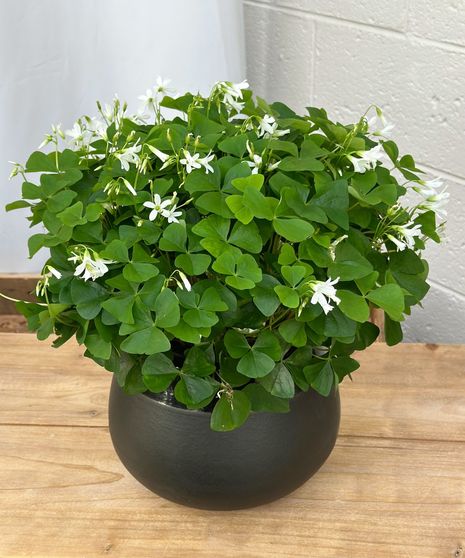
^^i’m in Zone 6a.Asclepias Seeds
An important nectar source for bees, butterflies, and hummingbirds, plant Asclepias seeds as an essential native addition to your yard. Fill your garden with colors of red, orange and yellow while you attract beneficial nectar-seeking insects like the Monarch Butterfly with our Asclepia seed mix. Though warmer zones experience Asclepias as a perennial, cool climate gardeners swear by this fiery flower as a staple in their annual garden as well.
 9:30 min mark.
Skip to what you want to know:In this episode of the Good Growing Podcast, horticulture educators Chris Enroth and Ken Johnson dive deep into the fascinating world of milkweed—also known by its genus name, Asclepias. Whether you're a native plant enthusiast, pollinator advocate, or just curious about why this "weed" is the National Garden Bureau’s Plant of the Year, this episode is packed with insights.
Monarch Lookalikes and How to Tell the Difference
"Imitation is the sincerest form of flattery."- Oscar Wilde
...Or was it mimicry?
At a glance, the Viceroy and Monarch are shockingly similar with their orange and black wing coloration.
This is not merely a coincidence but a means of survival for these butterflies.
There is a name for this phenomenon called Müllerian mimicry- “a form of mimicry in which two or more noxious animals develop similar appearances as a shared protective device”. .. ..
https://www.saveourmonarchs.org/blog/mo ... difference